How to choose a thermal transfer ribbon: wax, wax/resin and resin
A thermal transfer ribbon determines whether your labels last — or smudge during handling. In industrial product marking, choosing the right ribbon type is just as important as choosing the label itself. In this guide we explain the differences between wax, wax/resin and resin ribbons and how to pick the right one for your application.
What is a thermal transfer ribbon and how does it work
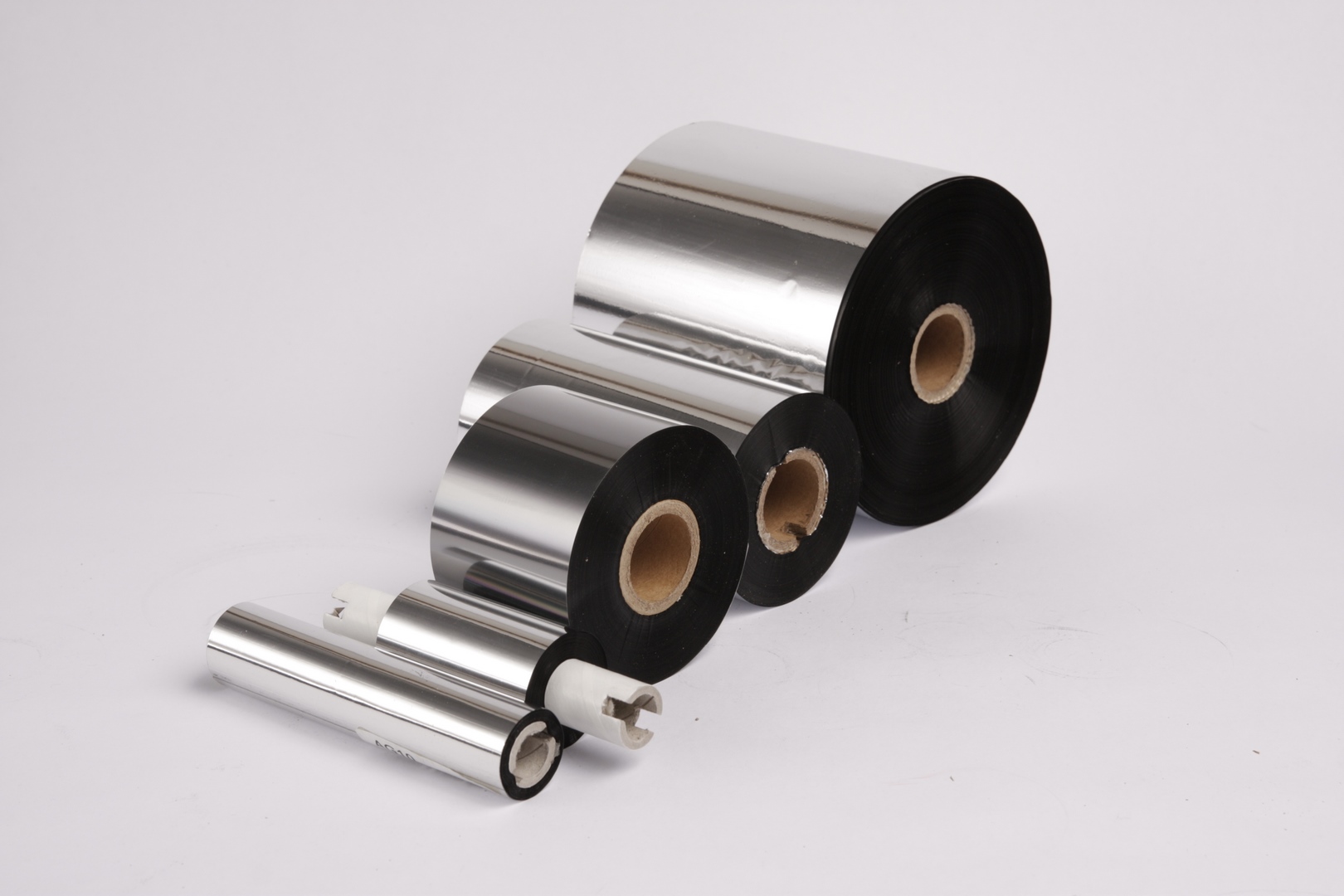
A thermal transfer (TTR) ribbon is a thin film coated with an ink layer. During printing the printhead heats it and the ink is transferred from the ribbon onto the label. Unlike direct thermal printing, the print is durable and does not fade — which is why thermal transfer is the standard for durable industrial and logistics marking.
Key rule: the ribbon must match the label material. One ribbon suits paper, another suits plastic and synthetic materials.
The three types of thermal transfer ribbons
Wax
The most economical and most widely used ribbon. The ink layer is wax-based.
- Suitable for: paper labels
- Use: logistics and shipping labels, pallet labels, everyday warehouse marking
- Durability: basic — sensitive to abrasion and chemicals
Wax/resin
A combination of wax and resin. A compromise between price and durability.
- Suitable for: higher-quality paper, semi-paper and some synthetic materials
- Use: labels exposed to mild abrasion, moisture, shorter outdoor storage
- Durability: medium — better print sharpness and smudge resistance
Resin
The most durable ribbon. The ink layer is pure resin.
- Suitable for: plastic and synthetic labels (PP, PE, PET)
- Use: marking for demanding conditions — chemicals, solvents, high temperatures, long life, automotive and electronics industries
- Durability: highest — resistant to abrasion, heat and chemicals
Quick comparison
| Ribbon type | Label material | Durability | Price | Typical use |
|---|---|---|---|---|
| Wax | paper | low | € | logistics, warehouse |
| Wax/resin | paper / synthetic | medium | €€ | food, retail |
| Resin | plastics (PP/PE/PET) | high | €€€ | industry, chemicals, freezer |
How to choose by label material
Follow a simple logic:
- Paper label + normal conditions → wax
- Paper/synthetic + higher demands on sharpness and durability → wax/resin
- Plastic/synthetic label + demanding environment → resin
If you’re unsure about the label material, it’s always better to consult — the wrong ribbon/label combination leads to poor ink adhesion and smudged print.
Don’t forget width, length and winding
Besides ribbon type, also consider:
- Width and length (roll length) — must fit your printer and label width
- Winding direction (IN / OUT) — the ink side can be wound in or out; depends on the printer model
- Core diameter — must fit the printer spindle
Common mistakes when choosing
- Using a wax ribbon on a plastic label → the ink doesn’t hold
- Under-specified durability for frozen or chemically stressed products
- Wrong winding direction that the printer can’t print
- Ignoring printhead compatibility (resin requires the correct temperature setting)
Need help choosing?
At IQProduct we supply thermal transfer ribbons as well as printers, and we can recommend the exact ribbon/label combination for your application — from logistics to demanding industrial environments. Contact us and we’ll design a tailored solution.